• Bonalu Festival Celebrations

    Major temples across Siddipet District Siddipet, Siddipet District, Telangana, Siddipet, Ts State, India

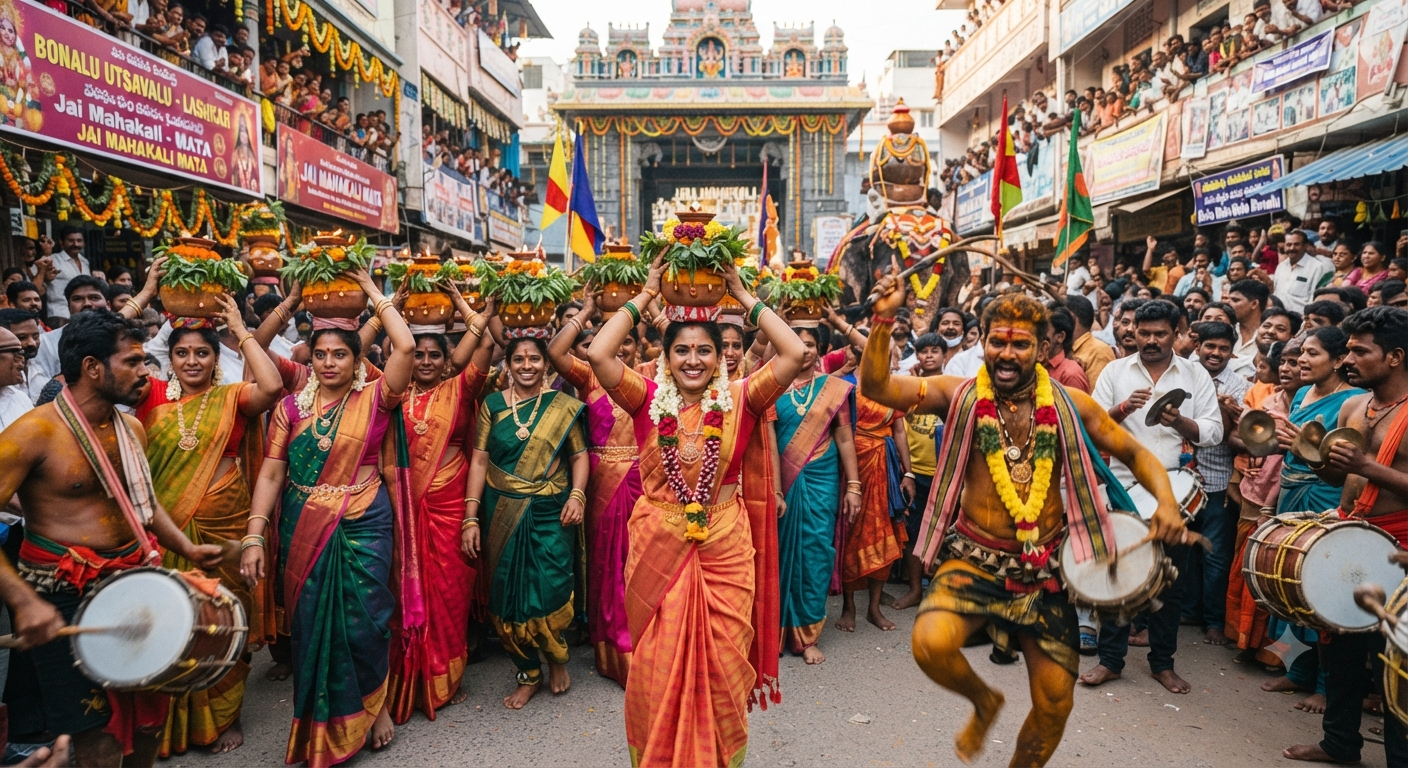
    Bonalu is a vibrant and deeply traditional Hindu festival celebrated annually in the Indian state of Telangana, particularly in the twin cities of Hyderabad and Secunderabad. It is a month-long celebration dedicated to Goddess Mahakali and serves as an expression of thanksgiving for her protection against diseases, evil, and for her blessings of prosperity. In 2014, following the formation of the state, Bonalu was officially declared the State Festival of Telangana. Meaning and Significance The Name: "Bonalu" is derived from the word Bhojanam (Sanskrit for "feast" or "meal"). It refers to the ritual offering of food—the Bonam—made to the Goddess. Historical Origins: The festival is traditionally linked to the 19th century, when a plague outbreak devastated Hyderabad. Military soldiers from the region, stationed in Ujjain, prayed to Goddess Mahakali to save their families, vowing to install an idol and offer a grand feast if the epidemic subsided. Upon their return, they fulfilled this vow, establishing a tradition that continues today. Timing: The festival is observed during the Hindu month of Ashada Masam (typically falling in June–July or July–August). Key Rituals and Celebrations The atmosphere during Bonalu is one of community joy, characterized by music, dance, and colorful processions. The Bonam Offering: Women prepare a special meal of rice cooked with milk and jaggery in new earthen or brass pots. These pots are decorated with neem leaves, turmeric, and vermilion, and topped with a small, lit lamp. Carrying these pots on their heads, the women proceed barefoot to temples to offer them to the Goddess. Pothuraju: A central figure in the processions is the Pothuraju, a man who dances vigorously to the beat of drums. Bare-chested and adorned with turmeric and vermilion, he is believed to be the brother of the Goddess and acts as her vanguard, warding off evil spirits. Rangam (The Oracle): Held the day after the main festival, this ritual involves an oracle (a woman believed to be possessed by the Goddess) who predicts the future and provides guidance for the community regarding the upcoming year. Ghatam: A decorated copper pot representing the Goddess, the Ghatam is carried in a procession accompanied by traditional music and dance, marking the culmination of the festivities when it is eventually immersed
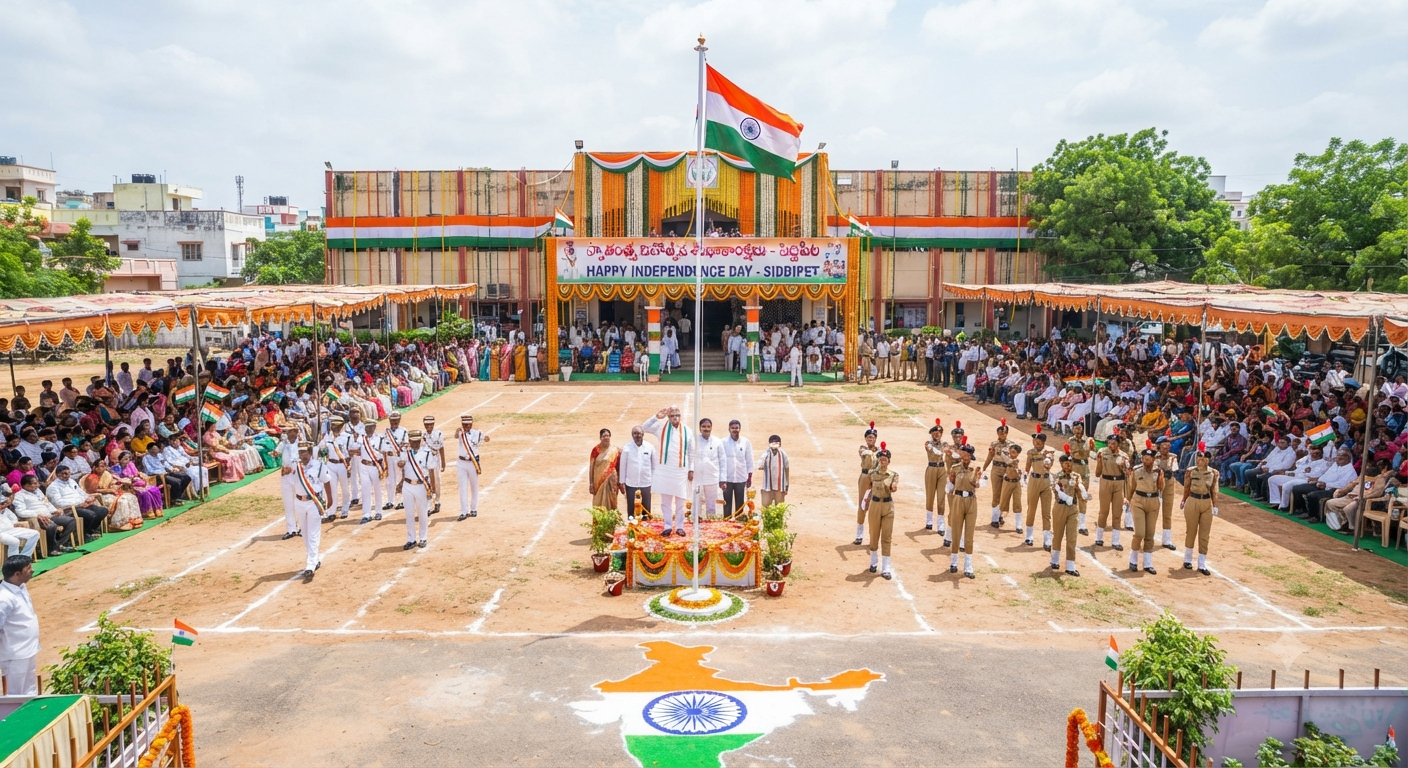
  • Independence Day in Siddipet is celebrated with significant fervor, marked by official ceremonies and community participation throughout the district. Official Ceremonies Flag Hoisting: The main official Independence Day ceremony is typically held at the Government Degree College grounds in the district headquarters. A prominent government minister or official presides over the event, accepting the guard of honor from the police and unfurling the national flag. Collectorate Observances: The Siddipet Collectorate Office also serves as a primary venue for official government ceremonies, where the district administration and local dignitaries gather to mark the occasion.

  • Bathukamma festival

    Siddipet Town & Rural Areas Siddipet, Siddipet District, Telangana, Siddipet, Ts State

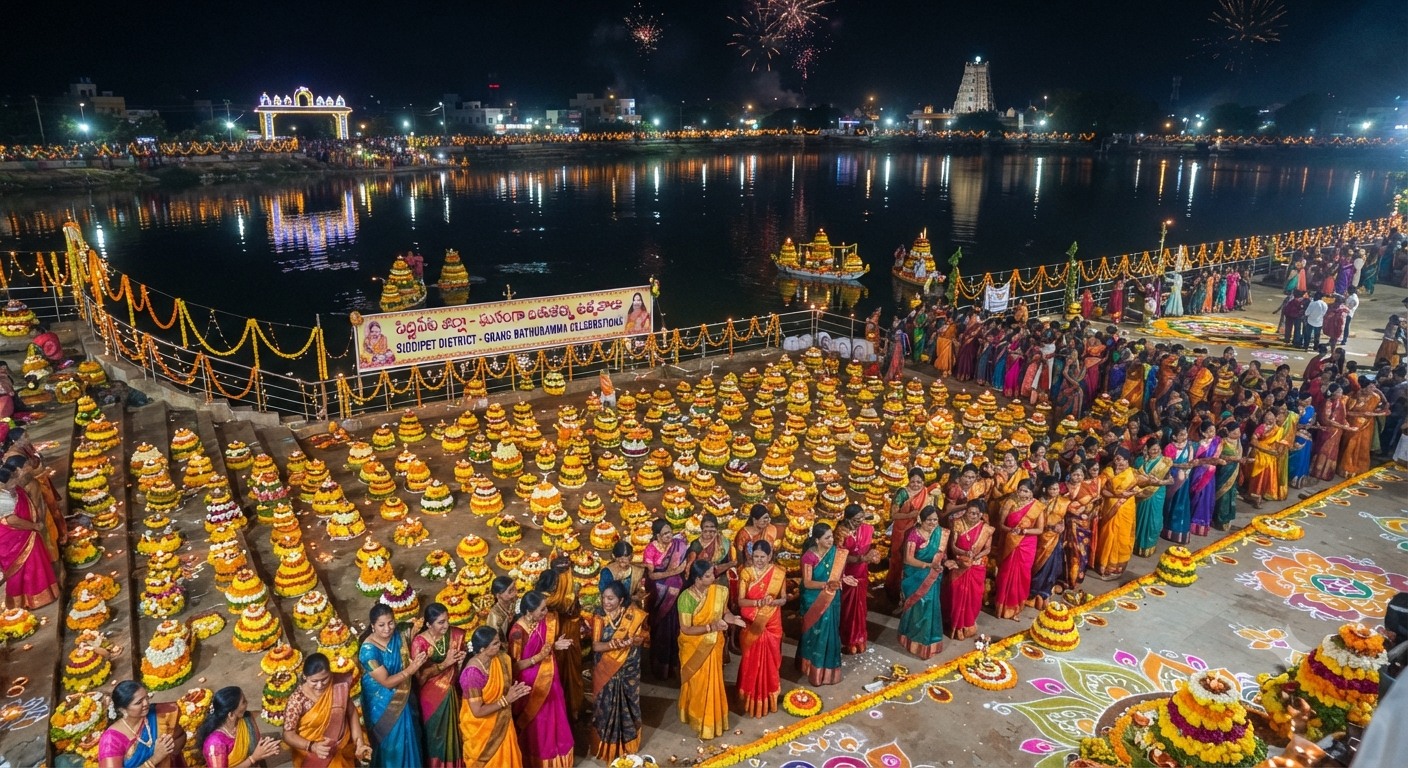
    The Bathukamma festival is a significant cultural event in Siddipet, celebrated with immense enthusiasm as part of the broader Telangana state celebrations, which honor the unique identity and heritage of the region. Significance and Celebration Cultural Importance: Bathukamma is a floral festival celebrated by women, honoring Goddess Mahagauri—the patron goddess of womanhood. It symbolizes the connection between humans and nature. The Rituals: Women in Siddipet gather to arrange flowers (often locally sourced, seasonal blossoms like tangedu, gunugu, and chamanthi) into beautiful, conical, temple-shaped stacks called "Bathukamma." Community Participation: In the evenings, women place these floral stacks in an open area, circle around them, and perform traditional rhythmic dances while singing folk songs. This ritual reflects the collective spirit and community bonding of the district. The Culmination: On the final day, known as Saddula Bathukamma, the floral stacks are immersed in local water bodies, such as the Komaticheruvu Lake in Siddipet, which serves as a major focal point for the city’s festivities. Local Observance Government Support: The district administration in Siddipet actively organizes and facilitates large-scale public celebrations. In recent years, these events have been held at prominent public spaces, such as the Mini Tank Bund at Komaticheruvu, where massive floral displays and synchronized group dances are performed. Public Spirit: The festival not only marks the end of the monsoon season but is also a time for families to return home, strengthening social ties and preserving the traditional arts and songs of the region.

  • Vijayadashami (Dasara)

    Vijayadashami (Dasara) Siddipet, Siddipet District, Telangana, Siddipet, Ts State

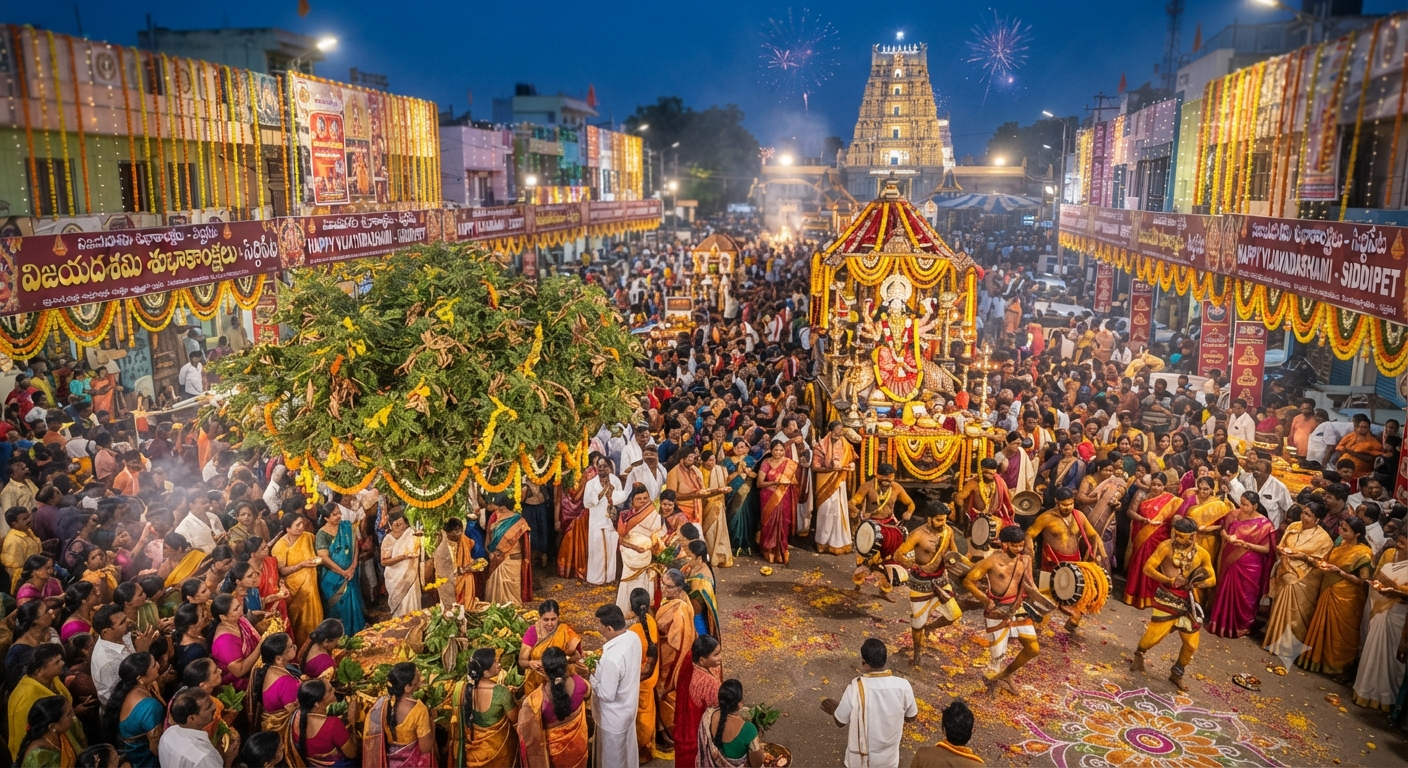
    Vijayadashami, widely known as Dasara, is celebrated in Siddipet with a unique blend of deep-rooted rural traditions and significant community festivities. Key Aspects of Celebration Shami Puja: A central ritual during Dasara in Siddipet is the Shami Puja (worshipping the Jammi tree). Locals exchange Jammi leaves, which are considered sacred and symbolic of gold, signifying the victory of good over evil. Community Spirit: The festival is a major time for family reunions in the district. Households are decorated, and special traditional sweets are prepared to mark the culmination of the nine-day Navaratri festivities. Cultural Significance: Siddipet maintains a strong connection to its agrarian roots, and during Dasara, farmers often perform Ayudha Puja, blessing their tools, machinery, and vehicles in gratitude for their livelihood. Public and Religious Events: Local temples in the region experience high footfall, with special pujas dedicated to Goddess Durga. The atmosphere in the city is vibrant, with markets and public spaces decorated to commemorate the festival.

  • Diwali

    District-wide Siddipet, Siddipet District, Telangana, Siddipet, Ts State

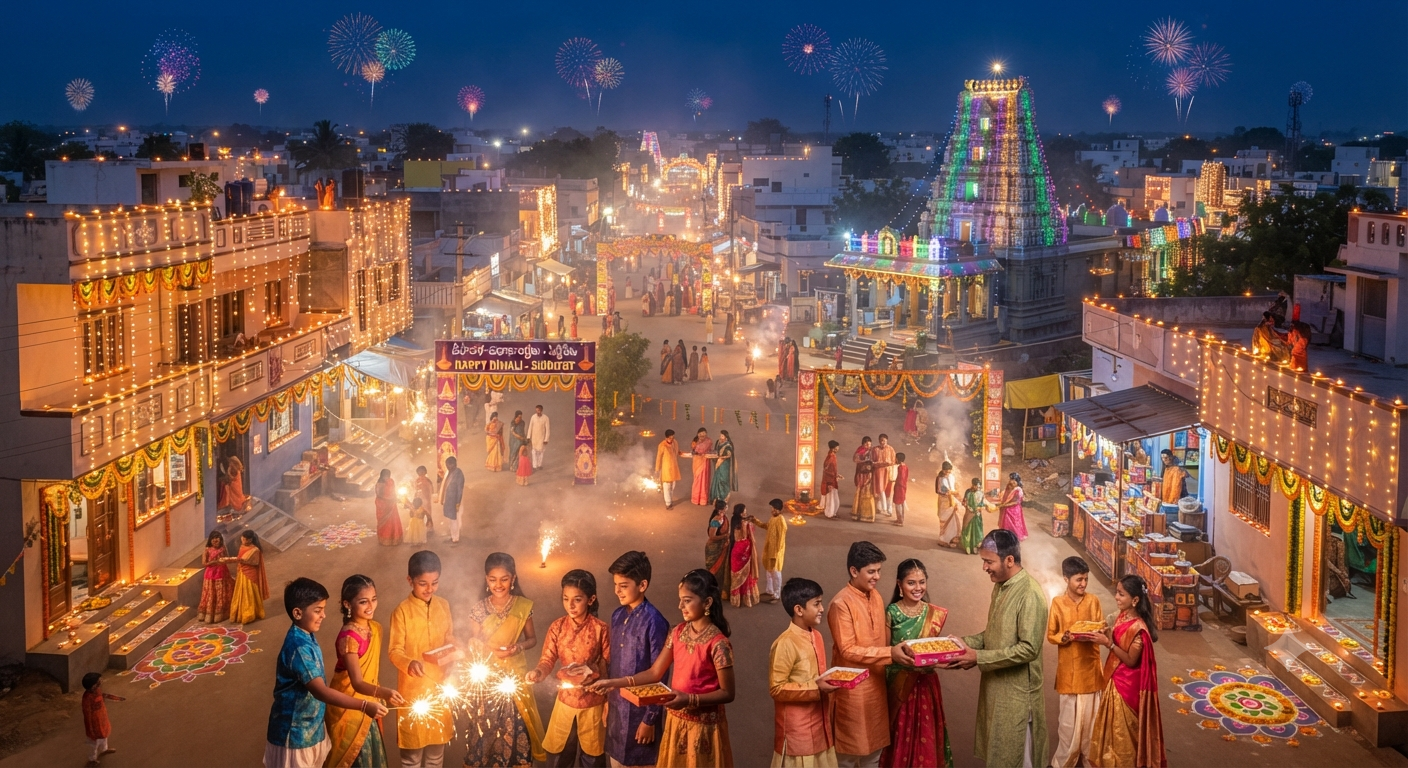
    Diwali in Siddipet is celebrated with the same cultural warmth and community spirit as the rest of Telangana, marked by a blend of traditional rituals and festive joy. Traditional Observances and Culture Worship and Rituals: The festival centers on the worship of Goddess Lakshmi, symbolizing prosperity and wealth. Many families in the region also perform Kedareswara Nomulu, a traditional vow and prayer practice. Deepavali Kola: An ancient, specific tradition known as "Deepavali Kola" is sometimes observed the day before the main festival. This involves rotating a burning stick around a person's head in the early morning, accompanied by traditional chants like "Kola re Kola, Jyoti re Jyoti". Home and Community: Homes are cleaned, decorated with intricate rangoli (colorful powder patterns), and illuminated with diyas (oil lamps). The festival serves as a significant time for families to bond, share sweets (mithai), and exchange greetings with relatives and neighbors. Festive Atmosphere in Siddipet Market Activity: As the festival approaches, local markets in Siddipet become very busy. Residents flock to shops to purchase new clothes, puja items, and firecrackers. Professional Services: Because of the high demand for festive aesthetics, there is a strong local ecosystem of event organizers and decorators. Professionals in the city provide services ranging from elaborate floral decorations and lighting arrangements to organized event planning for community gatherings. Diverse Traditions: Given that people from various states—including Rajasthan, West Bengal, and Chhattisgarh—have settled in the region for business and employment, the local Diwali celebrations often incorporate a multicultural flair, with different communities practicing their unique customs, such as specific food offerings and ritualistic lightings.

  • Christmas

    Churches across Siddipet Siddipet, Siddipet District, Telangana, Siddipet, Ts State

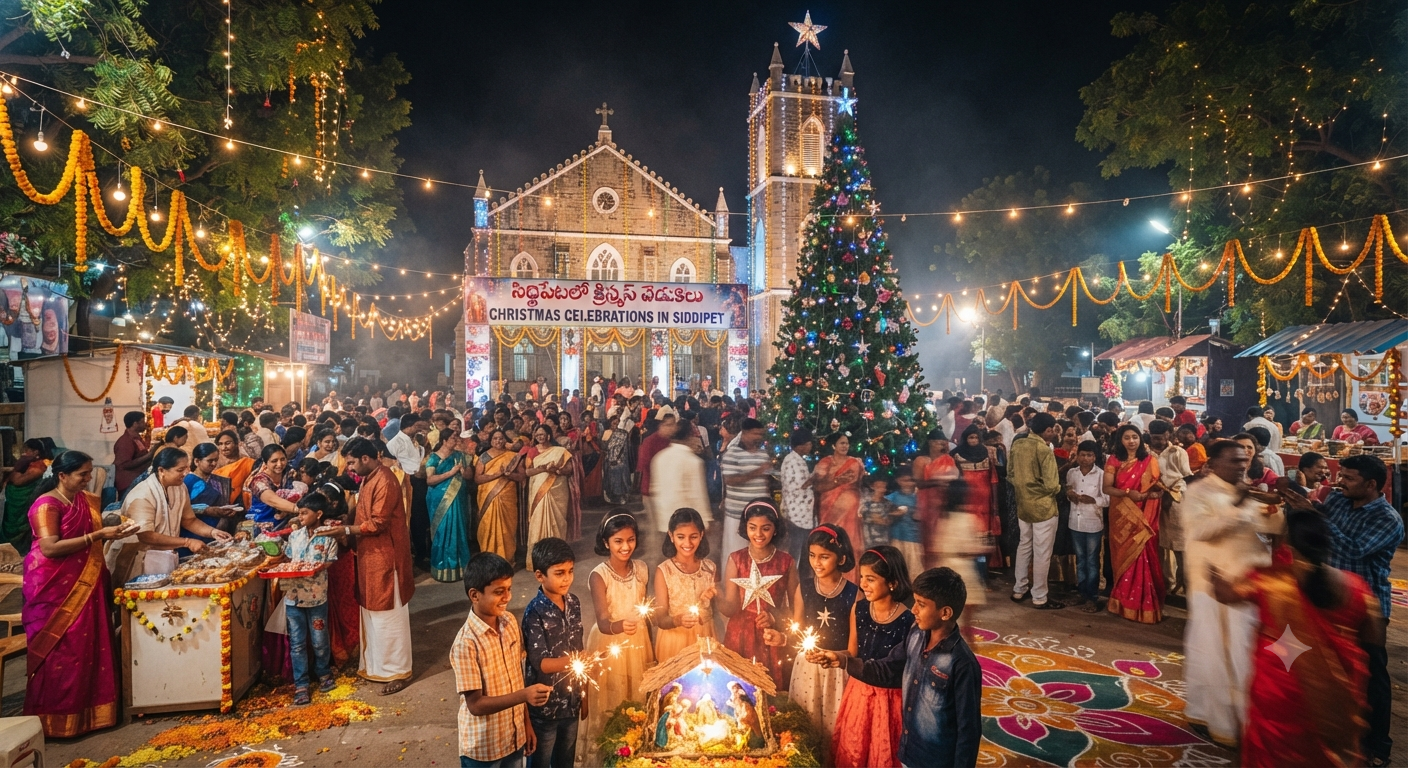
    Christmas in Siddipet is celebrated with significant communal harmony and festive spirit, characterized by special prayers, decorations, and community outreach. Key Aspects of Celebration Church Services and Devotion: Churches across Siddipet are beautifully decorated with flowers and electric lights to mark the occasion. Devotees gather for special prayers and masses to commemorate the birth of Jesus Christ. Community and Government Participation: Public figures and local leaders frequently participate in the celebrations at local churches, such as the CSI Church in Siddipet, to extend their greetings and foster religious harmony. Outreach and Charity: As part of the festive tradition, community outreach programs are often organized, which may include the distribution of gifts, clothes, or other necessities to those in need. Regional Significance: While Siddipet hosts its own local celebrations, many residents also travel to the historic Medak Cathedral—located nearby—which is one of the largest in Asia and attracts thousands of devotees from across the state for extensive three-day festivities.